







Search Results for: Espresso Granules

A Guangdong Barista's March Creations: When Pour-Over Techniques Meet Herbal Tea Granules—Dare You Try These Signature Drinks?
In Guangdong, coffee culture and herbal tea tradition have collided to create an unexpected spark. When baristas apply professional techniques like pour-over and espresso to herbal tea granules such as Xiàsāngjú and Bǎnlángēn, what kind of wondrous beverages are born? This article introduces you to three wildly imaginative "herbal tea coffees"—pour-over Xiàsāngjú, espresso Qinghuǒ granules, and a Cantonese-style specialty. From 40°C low-temperature drip filtration to pressurized espresso machine extraction, every step is full of experimental spirit. However, a word of caution: these creative drinks may cause gastrointestinal discomfort, so please do not imitate them rashly. At the end of the article, there are also recommendations for professional coffee information channels such as Front Street Coffee, for enthusiasts to engage in deeper exchange. [more…]

Huoxiang Zhengqi Shui mixed into iced Americano? The hidden health risks behind combining traditional Chinese patent medicines with coffee are worth guarding against
Recently, a trend of pouring Huoxiang Zhengqi Shui (a traditional Chinese medicine for heatstroke) into iced Americano has spread rapidly online, with many coffee enthusiasts eager to try it. From the earlier practice of adding ice cubes to herbal tea, to later mixing traditional Chinese medicine granules into coffee, and now directly pouring Huoxiang Zhengqi Shui into iced Americano, these "medicated coffee" concoctions keep escalating. However, Huoxiang Zhengqi Shui is, after all, a medicine, and its ingredients may irritate the stomach and intestines. When mixed with coffee, it can easily trigger gastrointestinal spasms, leading to abdominal pain, diarrhea, vomiting, and other discomforts. Curiosity is understandable, but casually mixing medicine with coffee has crossed the boundary of safety. This article will start with the origins of this trend and discuss why this way of drinking is not worth promoting. [more…]

Coffee supplies running critically low! How coffee lovers can get the most out of every gram of coffee beans
When coffee stocks run low, coffee lovers start finding every possible way to cherish each gram of coffee beans. From reducing the dose and widening the water-to-coffee ratio, to rinsing and reusing filter paper, even a single coffee bean gets a careful brewing. Drip bags, capsule shells, and cold brew containers have all been given new uses. This article rounds up these both hilarious and ingenious "use every last bit" tricks, while keeping the professional coffee knowledge intact, to show you just how far coffee people will go for one more cup. [more…]
There's an art to adding sugar to coffee too: the differences between white sugar, yellow sugar, and caramel and pairing suggestions
Many people are used to adding sugar to their coffee to neutralize bitterness, but sugar does far more than that—it can also enhance the smoothness and body of the coffee. Faced with the dazzling array of sugars on the market, coffee lovers are often puzzled: which sugar pairs best with coffee? Front Street Coffee believes there is no absolute "best" sugar, as different sugars bring distinctly different flavor effects to coffee due to their own characteristics. This article reviews several of the most common sugars found in coffee shops—white granulated sugar, yellow sugar, and caramel—introducing their origins, characteristics, and the types of coffee they suit, to help you make a more suitable choice in your daily drinking. [more…]
Are Mandheling and Mamba the same coffee? Analyzing the flavor characteristics and brewing method of the Mamba blend
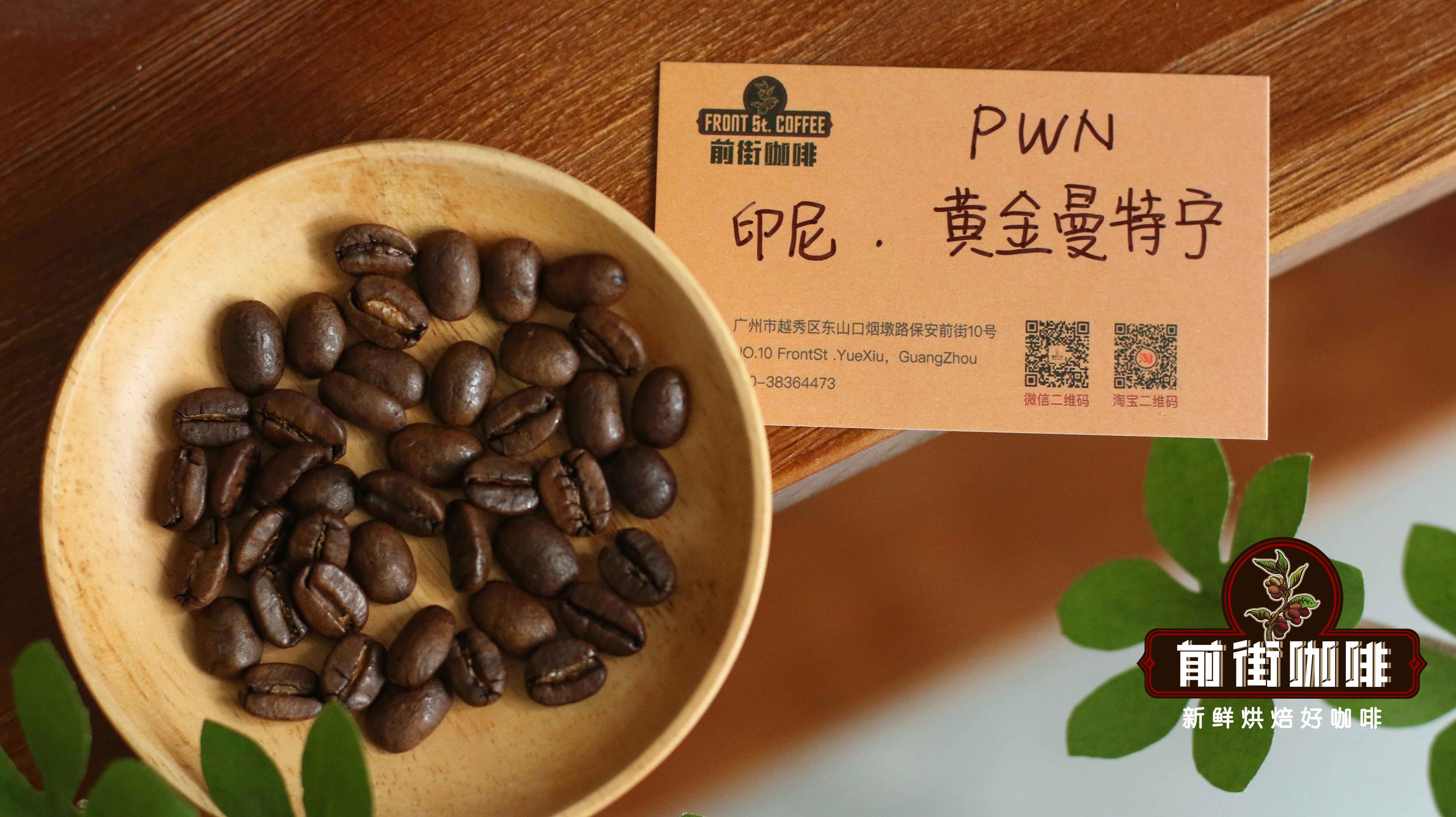
Mandheling coffee beans originate from Indonesia, with a short oval shape, dark green raw beans, and a prominent white film along the center line. When lightly roasted, the acidity is prominent but the layers are thin; after deep roasting, the bitterness intensifies, yet it brings out spice, pine, and caramel notes with a full body. Mamba is not a single variety, but a classic blend of Indonesian Mandheling and Brazilian beans, which was once popular in early Taiwanese coffee shops. Brazilian beans have the world's highest production, with a wide quality range; machine harvesting leads to uneven ripeness, but the flavor is smooth and the cost is low, making them suitable as a base bean in recipes to balance the taste. Front Street Coffee's classic blend is mainly Mandheling plus Brazil Cerrado, with a small amount of washed Robusta added, making the espresso's crema denser and the caramel aroma fuller. The following text will detail the origin of the Mamba recipe, espresso extraction parameters, and latte preparation steps. [more…]
How Grind Size Affects the Crema and Flavor of Moka Pot Coffee: A Full Breakdown from Coffee Dose and Water Amount to Brewing Details
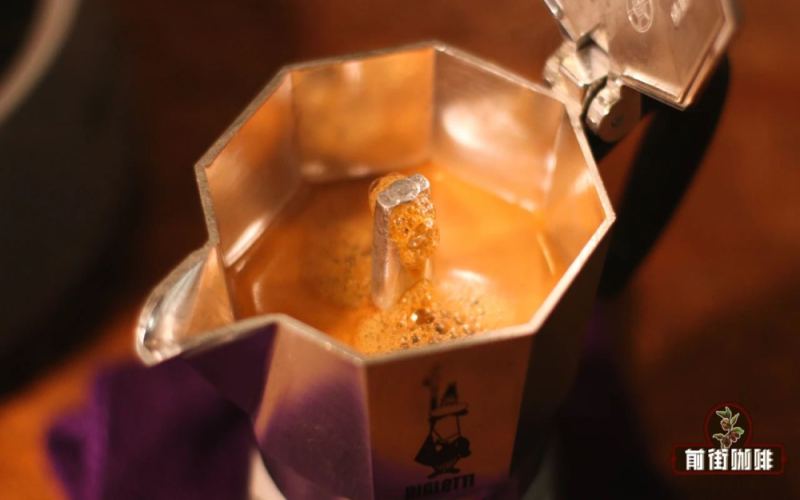
The Moka pot, with its fine grind and pressurized extraction, can brew quite a strong cup of coffee—but figuring out the right grind size gives plenty of people a headache. In fact, the Moka pot isn't all that demanding about grind size: a bit coarser than espresso's ultra-fine powder, close to fine salt grains, is just right. Too coarse and you'll get under-extraction; too fine and it may clog the filter basket, posing a safety hazard. Besides grind size, the amount of coffee and water is equally crucial: just fill the basket level and scrape it flat, and keep the water level below the pressure relief valve. As for beans, a dark-roast blend suits lattes, while a light-roast floral-fruity profile is better for drinking black. Below, drawing on Front Street Coffee's classic blend recommendation, we'll break down the complete Moka pot process step by step—from choosing the grind and adding water to heating and turning off the heat—and offer tips for adjusting when the extraction is over or under. [more…]
The Complete Moka Pot Brewing Guide: From Principles to Practice, Teaching You to Make Delicious Home Coffee
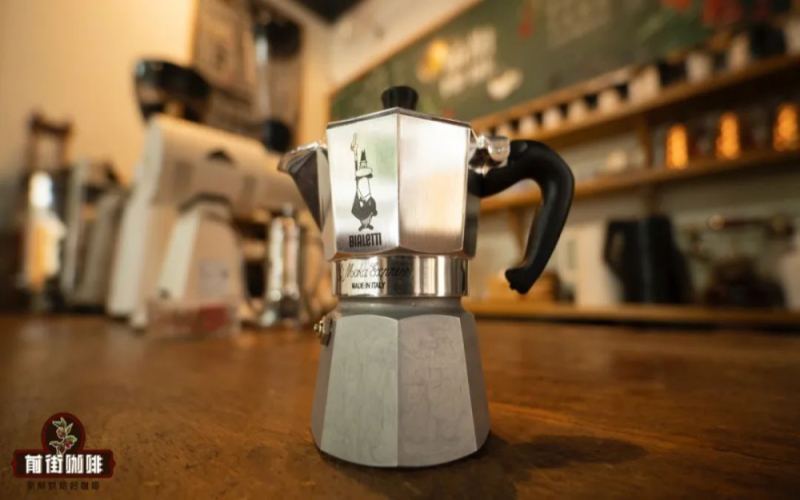
The moka pot, with its affordable price and convenient operation, has become the go-to device for many coffee lovers at home or in the office. However, quite a few people end up struggling after buying one because they are unfamiliar with how to use it, and the coffee they brew is either burnt and bitter or weak and bland. This article will start with the structure and working principle of the moka pot, break down in detail the key points for controlling grind size, coffee dose, and water volume, and explain the scenarios that different coffee beans are suited for. Then, Front Street Coffee will walk you through the entire process, from adding water and loading coffee grounds to heating and extraction, helping you avoid common pitfalls and easily make a cup of well-balanced moka pot coffee. [more…]
French Press Coffee Complete Guide: Coffee-to-Water Ratio, Grind Size, and Step-by-Step Instructions
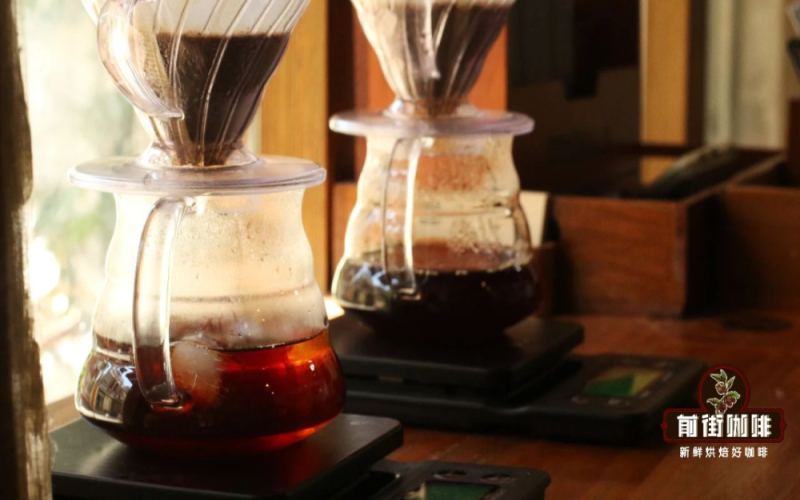
The French press, also known as a press pot or tea maker, and sometimes called the "lazy person's pot," is a home brewing device with a very low barrier to entry that nonetheless preserves coffee flavor quite completely. The coffee it extracts has a thick, rounded mouthfeel, and the oils, aromas, and sweetness are all released fairly fully, making it the easiest way for beginners to consistently reproduce a stable taste. This article centers on the origins and characteristics of the French press, with emphasis on the coffee-to-water ratio (about 1:14 to 1:18), grind size (a coarse grind about the size of brown sugar granules), water temperature control (85 to 95°C), and a complete ten-step brewing process. It also recommends medium-to-dark roasted beans such as Front Street Coffee Bird of Paradise, Front Street Coffee Queen's Estate, Front Street Coffee Golden Mandheling, Front Street Coffee Strawberry Candy, and Front Street Coffee Mozart, to help you easily make a delicious cup of French press coffee. [more…]
Exploring the bitterness differences between Americano and Espresso: Can iced Americano be made with pour-over or cold brew?
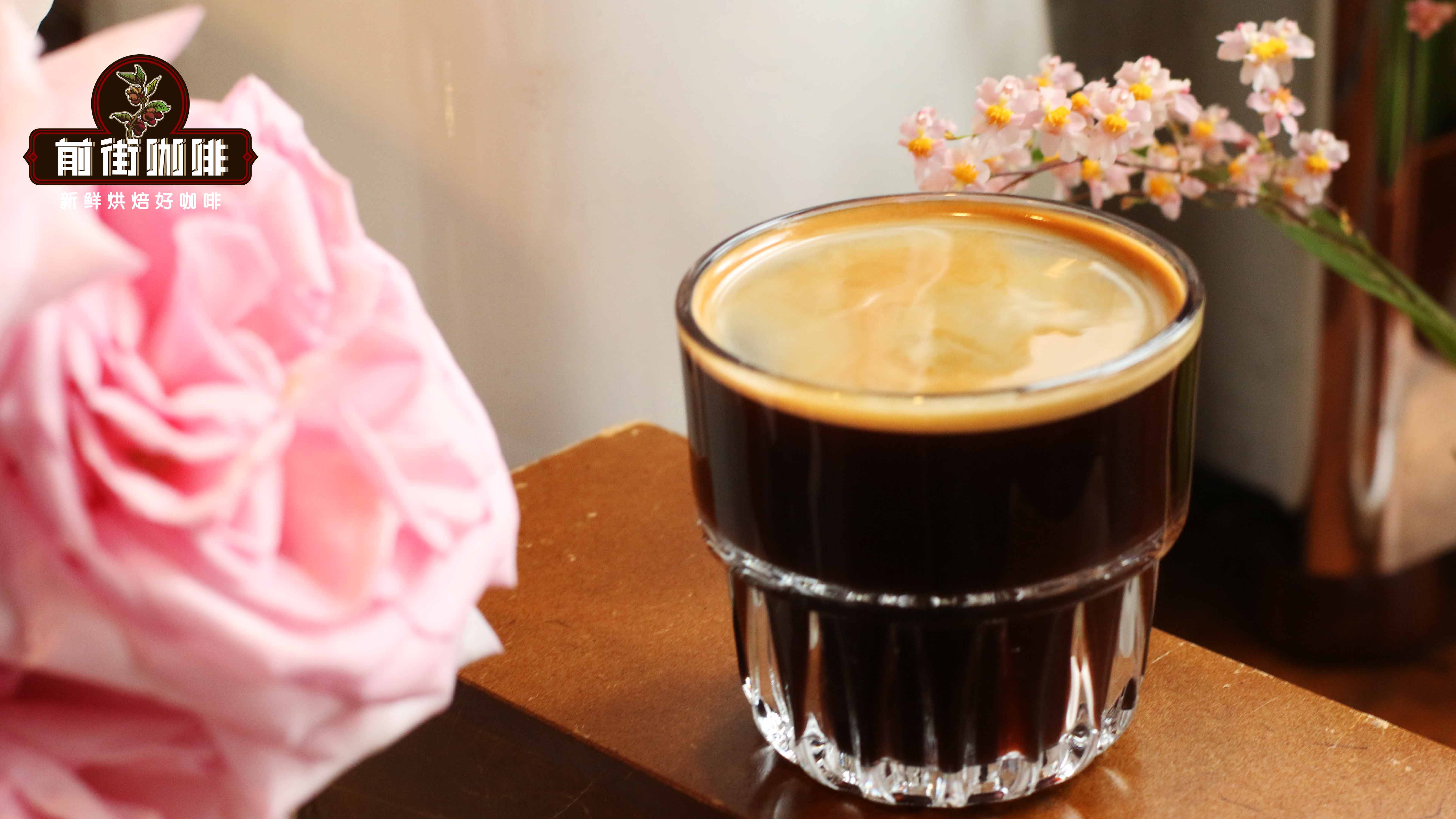
Is Americano or Espresso more prominently bitter? Without a coffee machine, can you use pour-over or cold brew instead to make an iced Americano? Starting from the compositional principles of Americano, this article breaks down its key preparation points and bean selection advice in detail, and recommends several Front Street brand coffee beans, including Front Street Dark Cocoa Blend, Front Street Golden Mandheling SOE, and more, helping beginners get started easily. At the same time, it compares the flavor differences between cold brew and pour-over coffee, and provides a list of floral and fruity beans suitable for low-temperature brewing, such as Huakui, Red Cherry, Guodingding, and others, so you can make a refreshing, sweet, and smooth iced coffee at home too. [more…]

Blue Bottle Coffee debuts instant espresso products in mainland China, three years of R&D for custom flavor, pre-sale from 75 yuan per box
Blue Bottle Coffee has announced that on August 17 it will launch its first specialty instant coffee (espresso) in mainland China. This product was developed over three years specifically for the tastes of domestic consumers, presenting flavor layers of dark chocolate, molasses, and toasted malt. The domestic version uses individual 3-gram packets, with a Tmall presale price of 75 yuan for 5 packets and 208 yuan for 15 packets, plus a 9.9 yuan single-packet trial pack. Previously, Blue Bottle had already launched a 48g jarred instant product overseas, priced at about 183 yuan. Since Nestlé acquired a 68% stake in it in 2017, Blue Bottle has accelerated its global expansion, and currently has 5 Shanghai stores and a Shenzhen pop-up store in mainland China. Whether the instant product can continue its specialty reputation is worth watching. [more…]

Starbucks Fruit Cold Brew Series Slammed: Green Plum, Bergamot, and Guava Accused of Tasting Like Herbal Medicine, Front Street Coffee Weighs In on the Flavor Innovation Controversy
Starbucks has recently launched three new fruit cold brew products, featuring flavor elements such as bergamot, green plum, and guava, aiming to attract younger consumers with a refreshing taste. However, before the products have even fully hit the market, some netizens and internal partners have already reported that they taste similar to traditional Chinese medicine, sparking widespread discussion. Cold brew coffee, known for its strong adaptability and excellent layering, is seen as a direction for breaking through the limitations of traditional espresso, but this flavor fusion has clearly stirred up considerable controversy. Front Street Coffee continues to follow coffee product innovation and market feedback. This article will sort out the true performance of this new product from the perspectives of consumer reviews, ingredient combinations, and category trends. [more…]

When Iced Americano Meets Raw Oysters: Looking at the Boundaries and Controversies of Creative Coffee Through the "Oyster-Bitter" Specialty Drink
Iced Americano has been reinvented in increasingly wild ways by netizens in recent years, from mixing Huoxiang Zhengqi liquid into an Americano to today's jaw-dropping oyster iced Americano—the boundaries of creative coffee are being pushed further and further. For professional coffee knowledge exchange and more coffee bean information, please follow Coffee Workshop (WeChat public account: cafe_style). For more specialty coffee beans, please add our private WeChat account Front Street Coffee (FrontStreet Coffee), WeChat ID: qjcoffeex. This article will walk you through how this iced Americano called "Oyster Bitter" came to be, as well as the increasingly absurd creative trends in today's specialty coffee drinks, and explore the balance between chasing hype and preserving the essence of coffee in creative coffee. [more…]
There's an art to adding sugar to coffee: which coffees are best suited to white sugar, brown sugar, and caramel?
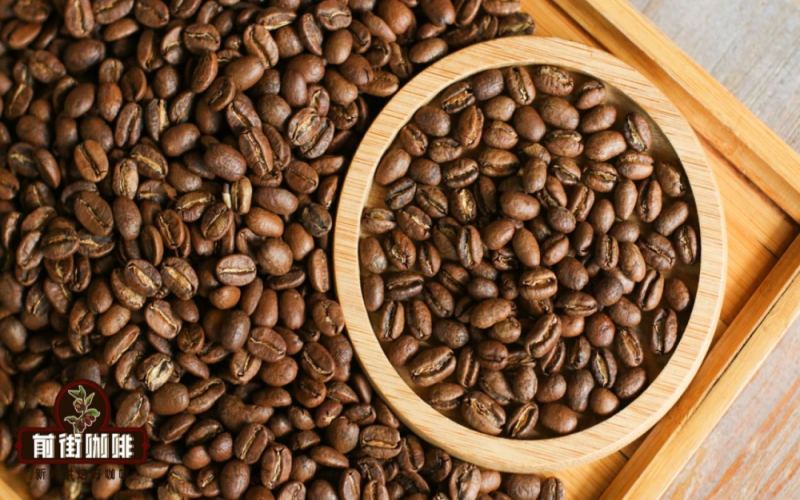
Many people are used to adding sugar to their coffee to neutralize the bitterness, but with so many different types of sugar out there, which one pairs best with coffee? There's actually no absolute answer. Because of differences in production methods and composition, different sugars bring entirely different levels of sweetness, aroma, and mouthfeel to coffee. The sugars commonly found in coffee shops are mainly white sugar, brown sugar, and caramel, and each suits a different type of coffee. White sugar is pure and versatile, brown sugar retains the flavor of sugarcane and is better suited to black coffee, while caramel adds an extra layer of toasted aroma. Today Front Street Coffee will talk about the finer points of using these sugars, to help you find the sweet companion that best suits your cup of coffee. [more…]
Should Mocha Use Chocolate Syrup or Cocoa Powder? A Detailed Guide to Classic Mocha, Salted Mocha, Orange Latte, and Chocolate Dirty
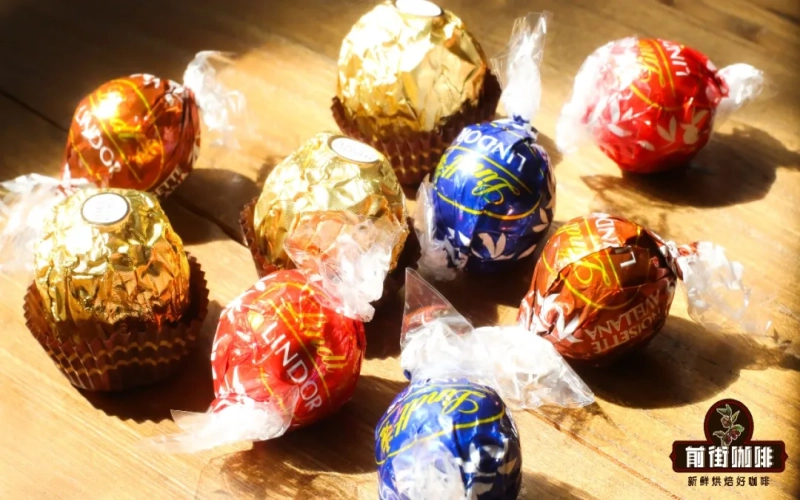
Got too much chocolate at home and can't finish it? Why not turn it into a cup of coffee where chocolate takes center stage. This article rounds up four easy chocolate coffee recipes: starting with the most classic mocha, then moving on to a sweeter salted mocha, an orange-chocolate latte with the aroma of orange wafer cookies, and a chocolate Dirty that blends hot and cold. Using Front Street Coffee's classic espresso blend as an example, the article provides espresso extraction parameters, the ratio of chocolate to milk, tips for adjusting between hot and cold versions, and a practical trick for melting chocolate chunks directly instead of using chocolate syrup, helping coffee lovers easily recreate these drinks in their own kitchens. [more…]

Moka Pot Tutorial | How to Use a Moka Pot to Extract Espresso Crema? What Are the Requirements of a Moka Pot for Coffee Beans? How to Determine the Coffee Ground Coarseness for a Moka Pot?
The moka pot is a household coffee brewing device that has won people's affection for its many advantages, such as being simple to operate, convenient, and space-saving, and it has also caught the attention of many beginners. Today, Front Street will give a proper introduction to using the moka pot, combining text and images, so everyone can get started quickly. Moka [more…]
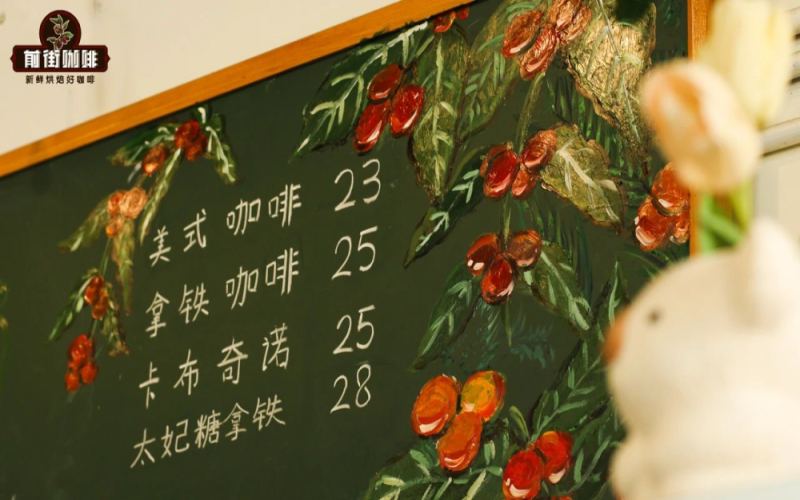
How to Determine the Espresso Brew Ratio? Why Are Blended Beans More Favored? A Complete Guide
The extraction parameters and bean selection for espresso have always been a focal point for coffee enthusiasts. This article approaches the topic from practical parameters such as the coffee-to-water ratio and extraction time, answering the question of whether espresso must use a blend, and analyzing the relationship between crema and coffee freshness. At the same time, the article also introduces the flavor characteristics and suitable applications of several Front Street Coffee espresso blends, helping you replicate a consistently delicious espresso at home or in your shop. Whether you are a beginner just getting started or a barista looking to optimize your output, you will find practical references here. [more…]

Salted Mocha Coffee Recipe Tutorial: A Detailed Guide to Hot and Iced Versions, Plus How Mocha, Latte, and Cappuccino Differ
Mocha coffee has evolved from the classic version into many new forms, among which the "salted mocha" has rapidly gained popularity in the coffee world in recent years. Simply adding a pinch of salt to the traditional mocha recipe can make the sweetness more prominent and the aroma more vivid, and the interwoven salty-sweet flavor is deeply loved by modern consumers. In this article, Front Street will provide a detailed introduction to two methods of making salted mocha—hot and iced—including ingredient preparation, coffee bean selection suggestions, specific ratios, and operating steps. It will also explain the differences between mocha latte and cappuccino, helping coffee enthusiasts easily recreate this beverage at home. [more…]
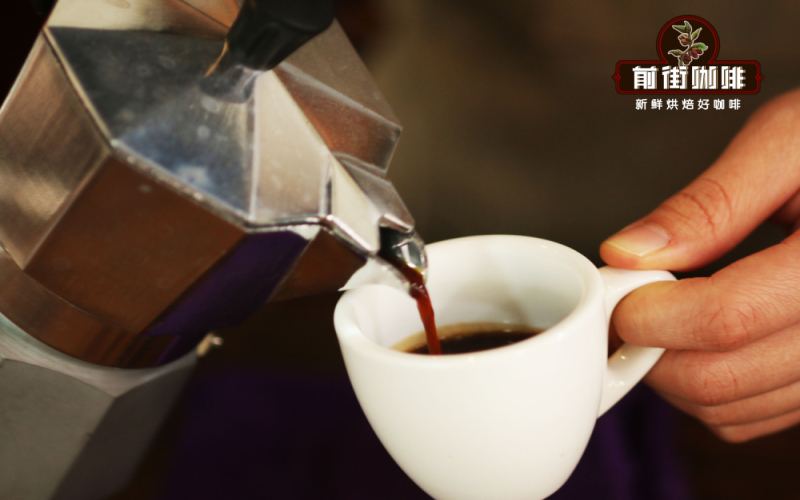
The Complete Moka Pot Brewing Guide: How to Judge Grind Size and Step-by-Step Instructions—Front Street Coffee Teaches You to Make Espresso with Ease
Want to make a rich, full-bodied cup of coffee at home with a moka pot? It's actually not complicated—the key is choosing the right beans, controlling the grind size, and getting the timing right for turning off the heat. Front Street Coffee will walk you through the complete moka pot process step by step, from bean selection and judging grind size to the specific operating steps, and also share practical tips for avoiding over-extraction and sputtering. The article also recommends Front Street's Classic Italian Blend and Dark Cocoa Blend coffee beans suitable for moka pots, and introduces a variety of ways to enjoy it, such as Americano, latte, and Vietnamese coffee, so you can easily enjoy the pleasure that a moka pot brings. [more…]
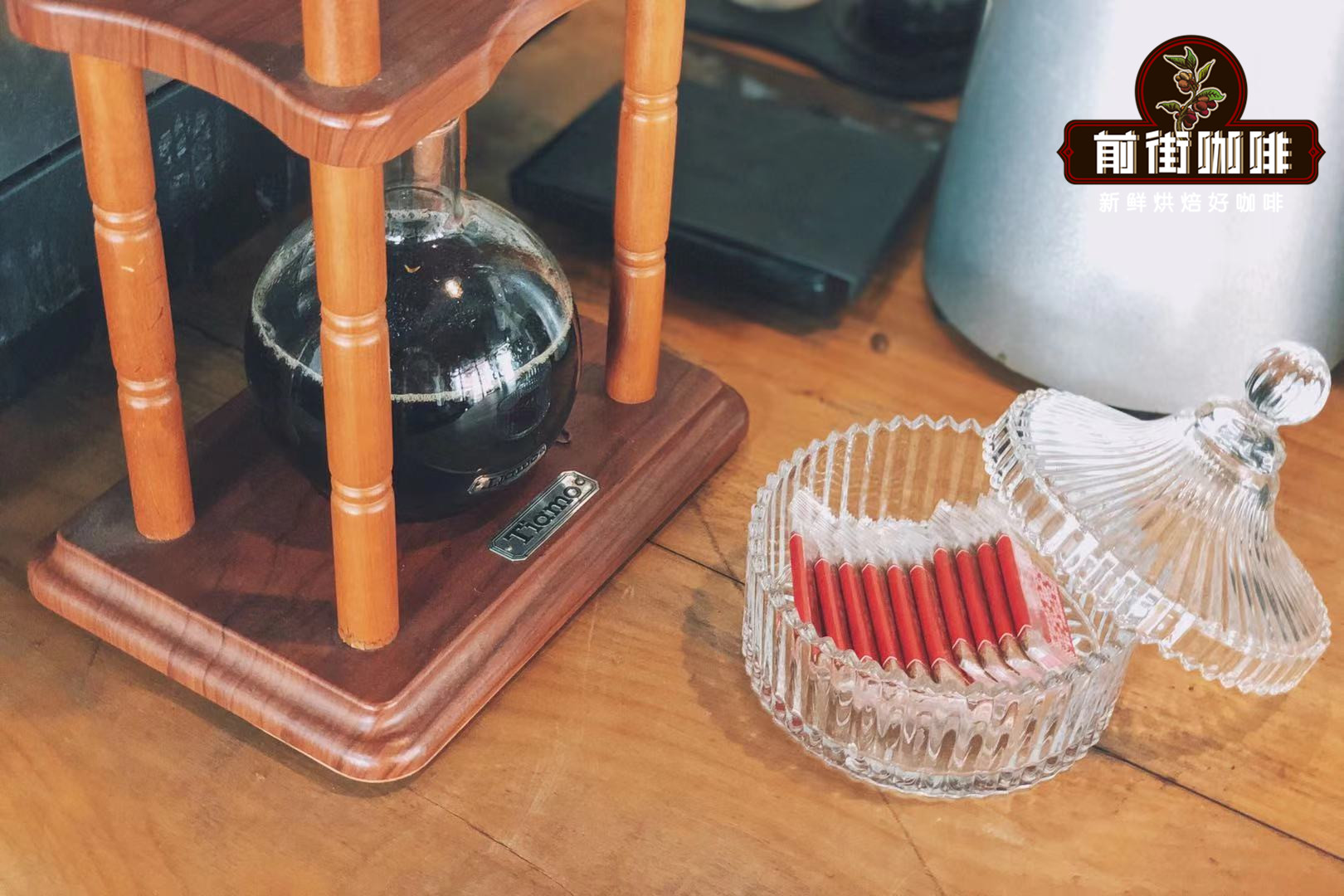
Coffee Grinding | Which is the finest grind setting from 1 to 10? How do you read the grind size for espresso and moka pot? How do you adjust the coffee grind size?
A delicious cup of coffee is hard-won, because from seed to cup is a very long wait, and even at the final step of extraction, you must ensure that the coffee you use meets brewing standards, because extraction is easy, but have you ever thought about it—coffee grounds extract flavor compounds, so the water used [more…]
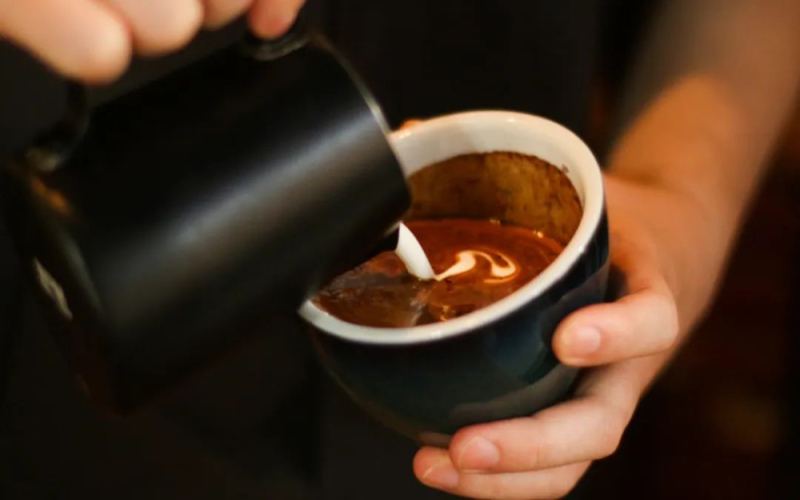
Why Is Mocha Coffee Gradually Fading Out of Coffee Shops? A Full Breakdown of Hot and Iced Salted Mocha Recipes
Mocha coffee was once a classic menu item alongside lattes and cappuccinos in Italian-style coffeehouses, and a favorite of many coffee lovers. However, many specialty coffee shops today no longer feature mocha as a main offering, and some have even removed it from their menus, replaced by products more favored by today's consumers, such as dirty coffee and oat milk lattes. Is mocha really about to disappear from coffee shops? Actually, that is not the case—while traditional mocha is no longer popular, its variant "salted mocha" has risen rapidly and become a hot product in the coffee world in recent years. This article will provide a complete guide to making salted mocha, from ingredient preparation and coffee bean selection to both hot and iced versions, and explain why it is more popular than traditional mocha. [more…]